
Tennis Court Resurfacing Sydney: Structural Evaluation & Surface Remediation Guide
Patch it, resurface it, or rebuild it? Sydney's UV and moisture cycles wear acrylic tennis surfaces down in predictable ways — and the right intervention depends on what the substrate underneath is doing. This guide sets out the three-tier decision matrix, the four signs a court has actually failed, why another topcoat is sometimes the wrong answer, and what a formal technical assessment needs from you.
- Localised patching only works on a structurally intact substrate with isolated cosmetic damage — under about 5% of the surface. Past roughly 20% degradation or active cracking, a full resurfacing system or structural base evaluation is required.
- Three tiers: Stage 1 localised repair (short-term cosmetic), Stage 2 full acrylic resurfacing (5–8 year operational life on a sound base), Stage 3 base reconstruction when the subgrade itself has failed.
- Four failure signs: cracks that reflect back through patches, delamination and peeling, birdbaths holding water beyond 60 minutes, and aggregate burnout exposing asphalt or raw concrete.
- Acrylic is a protective wear layer — it cannot stabilise moving ground. Severe subgrade movement will eventually reflect through any topcoat.
- Another topcoat over a chalking or delaminating layer fails with it; mechanical grinding back to a clean, stable substrate is mandatory before re-coating.
- Tennis-to-pickleball conversions need base assessment for net sleeves, chromatic zone planning, line hierarchy by luminance, and verified dimensions and run-off.
Speedy Resurfacing acknowledges the Traditional Custodians of the land on which we live and work, including the Gadigal people of the Eora Nation across the Sydney basin. We pay our respects to Elders past, present, and emerging, and recognise their continuing connection to the land, waters, and culture of New South Wales.
Sports surfaces across Greater Sydney and Western Sydney continuously encounter extreme environmental stresses, from intense ultraviolet exposure during summer months to substantial moisture fluctuations throughout cooler periods. Over time, these conditions degrade protective acrylic coatings, compromising playability, traction and structural integrity.
For facility administrators, educational institutions, municipal authorities and private property owners, determining the optimal intervention — localised spot repair, complete acrylic resurfacing or comprehensive sub-base reconstruction — requires a rigorous engineering and performance assessment. Speedy Resurfacing, operating in close integration with parent entity Speedy Line Marking, provides specialised surface evaluation and technical restoration services tailored to Australian conditions.
Quick Summary: When Should You Stop Patching?
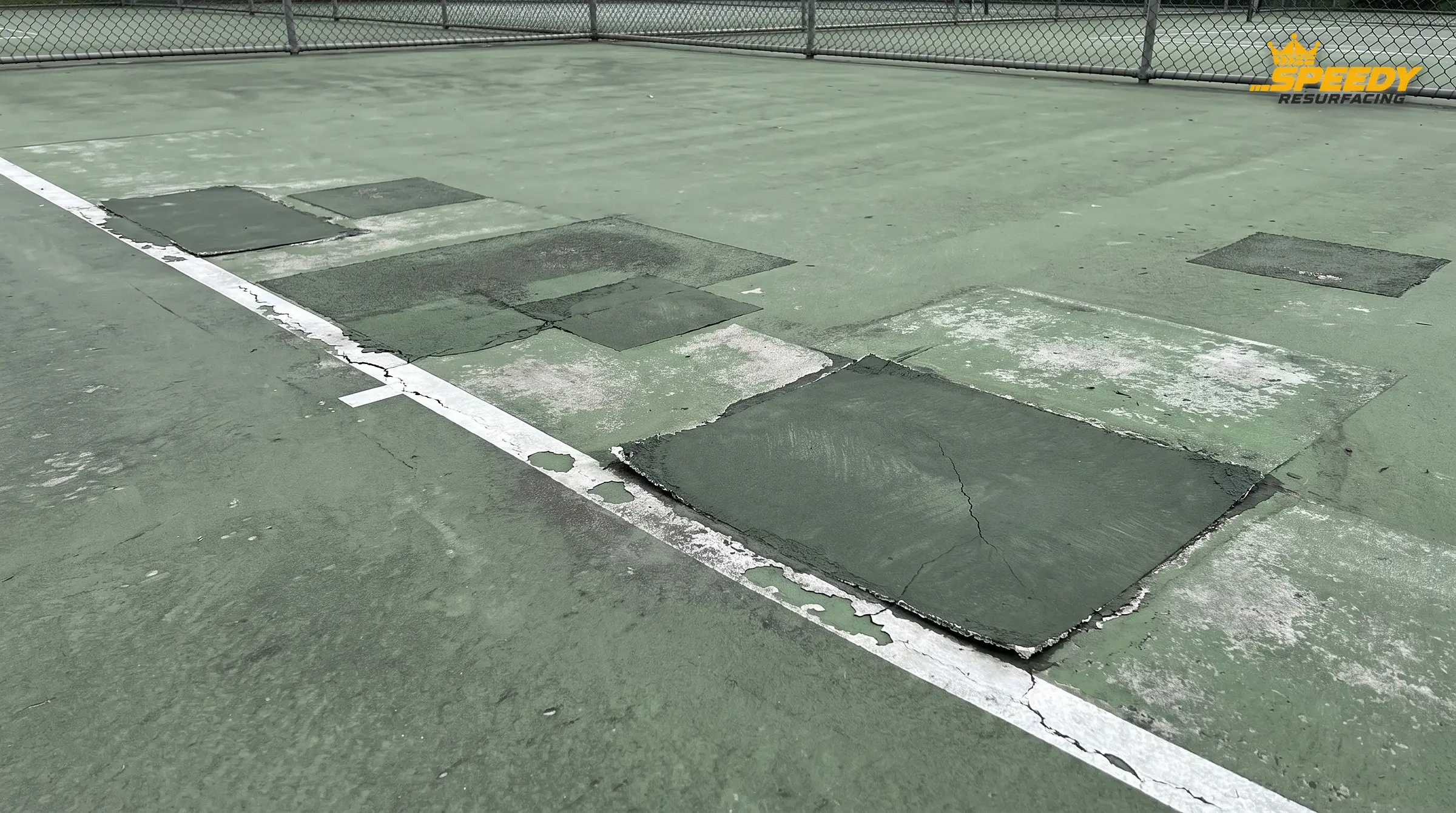
Localised patch repairs provide a temporary and cost-effective solution for minor surface blemishes or isolated, non-structural hairline cracks on sound concrete or asphalt substrates. However, patching becomes structurally ineffective when cracks repeatedly reflect through the surface, extensive delamination (peeling) occurs, or water ponding ("birdbaths") persists across active playing zones. When surface coating degradation or active cracking exceeds 20% of the total court area, localised patching yields diminishing returns, necessitating a full acrylic resurfacing system or a detailed structural base evaluation.
The Decision Framework: Patch Repair, Resurfacing or Reconstruction?
Establishing the appropriate technical intervention requires systematically evaluating the existing play surface against a three-tier decision matrix:
| Intervention Tier | Observed Surface Conditions | Technical Scope of Work | Expected Operational Outcome |
|---|---|---|---|
| Stage 1: Localised repair | Structurally intact substrate; isolated cosmetic chips; minor paint abrasion; minimal hairline cracking (<5% of surface area) | High-pressure surface cleaning, localised acrylic filler application and targeted line touch-ups | Short-term cosmetic restoration; immediate mitigation of localised trip hazards |
| Stage 2: Full acrylic resurfacing | Extensive surface wear; colour fading; widespread non-structural micro-cracking; topcoat delamination; low aggregate traction | Mechanical grinding preparation, elastomeric crack treatment, acrylic resurfacer binder, multi-coat pigmented acrylic finish and precision line marking | Complete restoration of traction, ball response, aesthetics and weatherproofing (5–8 year operational lifespan) |
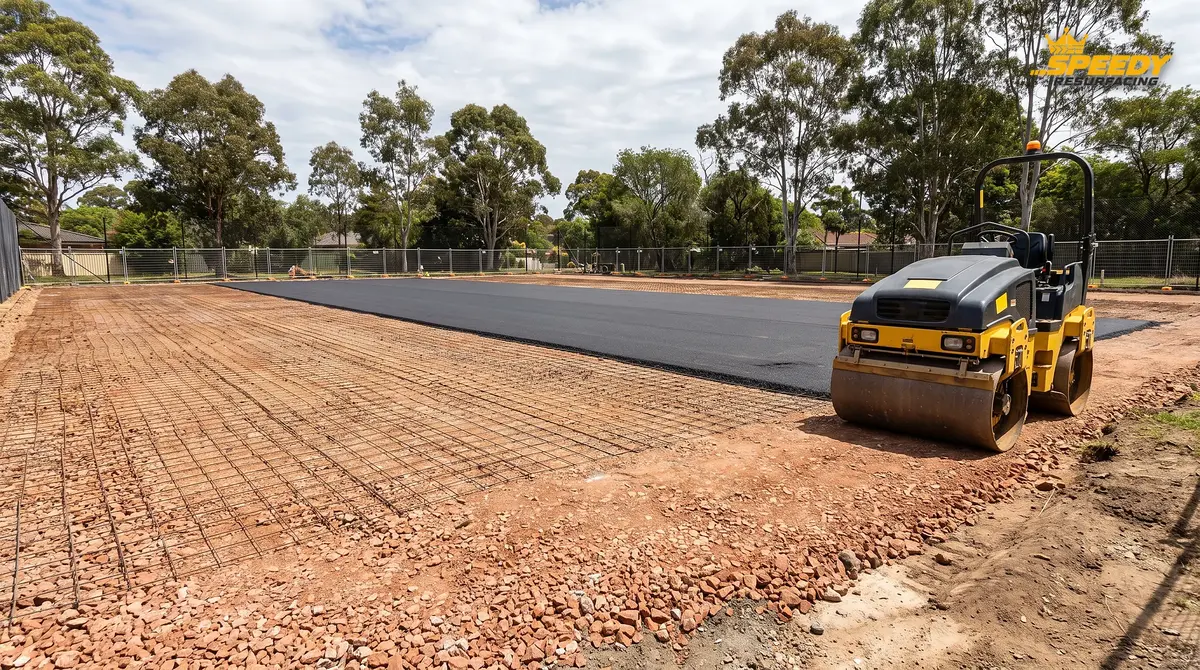
| Stage 3: Base reconstruction | Subgrade failure; continuous reflective cracking; severe ground movement; sub-surface drainage failure; major structural slab depression | Civil engineering evaluation, subgrade stabilisation, asphalt overlay or reinforced concrete slab installation, followed by a new court system | Full structural renewal of the foundational pavement when substrate integrity is compromised |
Option 1: Localised Repair (When It Works)
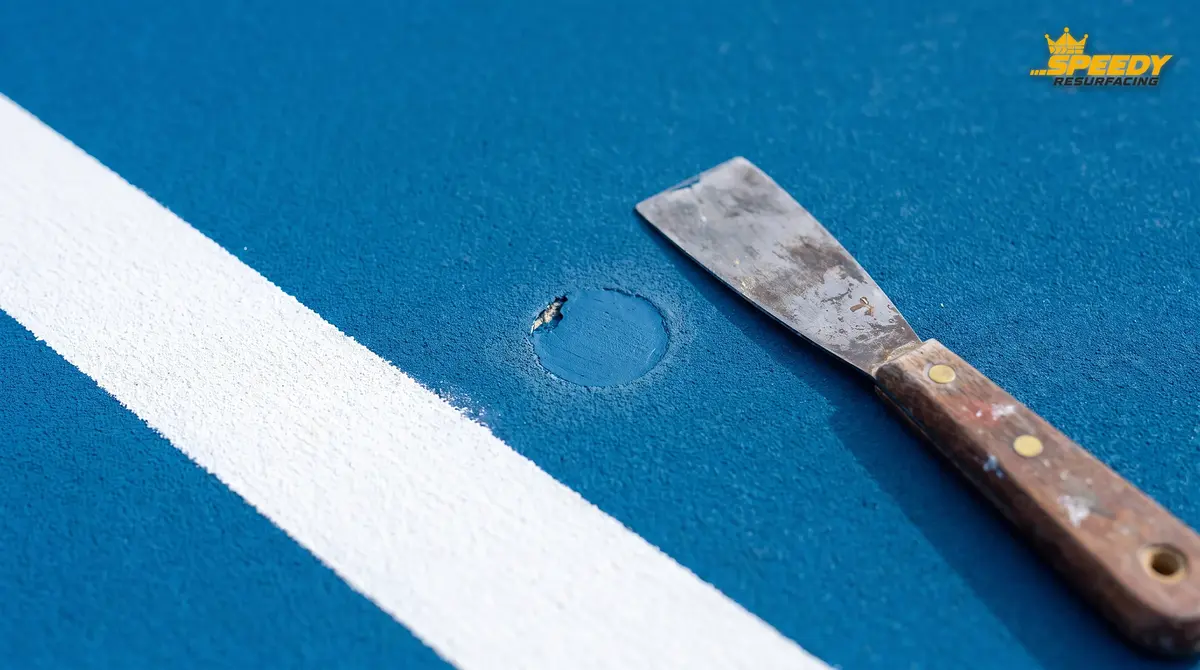
Localised repairs are strictly applicable when the underlying concrete or asphalt substrate maintains complete structural stability. Where court wear is restricted to superficial baseline erosion or minor surface gouges, localised applications of heavy-duty acrylic patch binder can temporarily stabilise the playing zone without necessitating immediate full-system replacement.
Option 2: Complete Acrylic Resurfacing (When It Is Time)
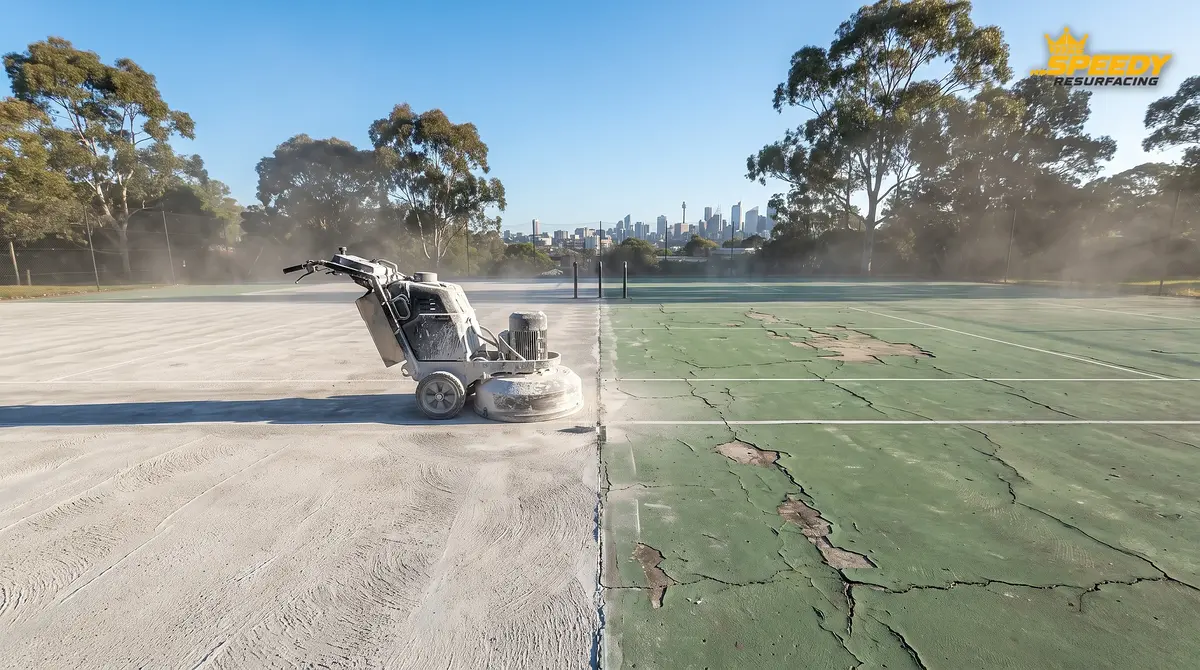
Complete resurfacing is indicated when surface coatings have exceeded their design life but the foundational pavement remains structurally sound. Mechanical surface scarification or diamond grinding removes oxidised or poorly bonded paint layers. Subsequent application of flexible acrylic resurfacers, pigmented acrylic wear coats and precision-applied regulatory boundary markings restores uniform pace, ball bounce and slip resistance across the entire facility.
Option 3: Base Reconstruction (When Structural Failure Occurs)
Acrylic resurfacing systems act as protective wear layers and cannot compensate for subgrade instability. When asphalt pavement exhibits advanced binder oxidation, severe tree-root displacement or the expansive clay movement common in portions of Western Sydney, applying topcoat acrylics yields temporary results. In these instances, civil sub-base remediation or full slab reconstruction must precede any surface finishing.
4 Critical Signs Your Court Surface Has Failed
Accurate differentiation between routine surface wear and active structural degradation is essential for selecting appropriate, cost-effective remediation strategies.
Recurring and Reflective Cracks
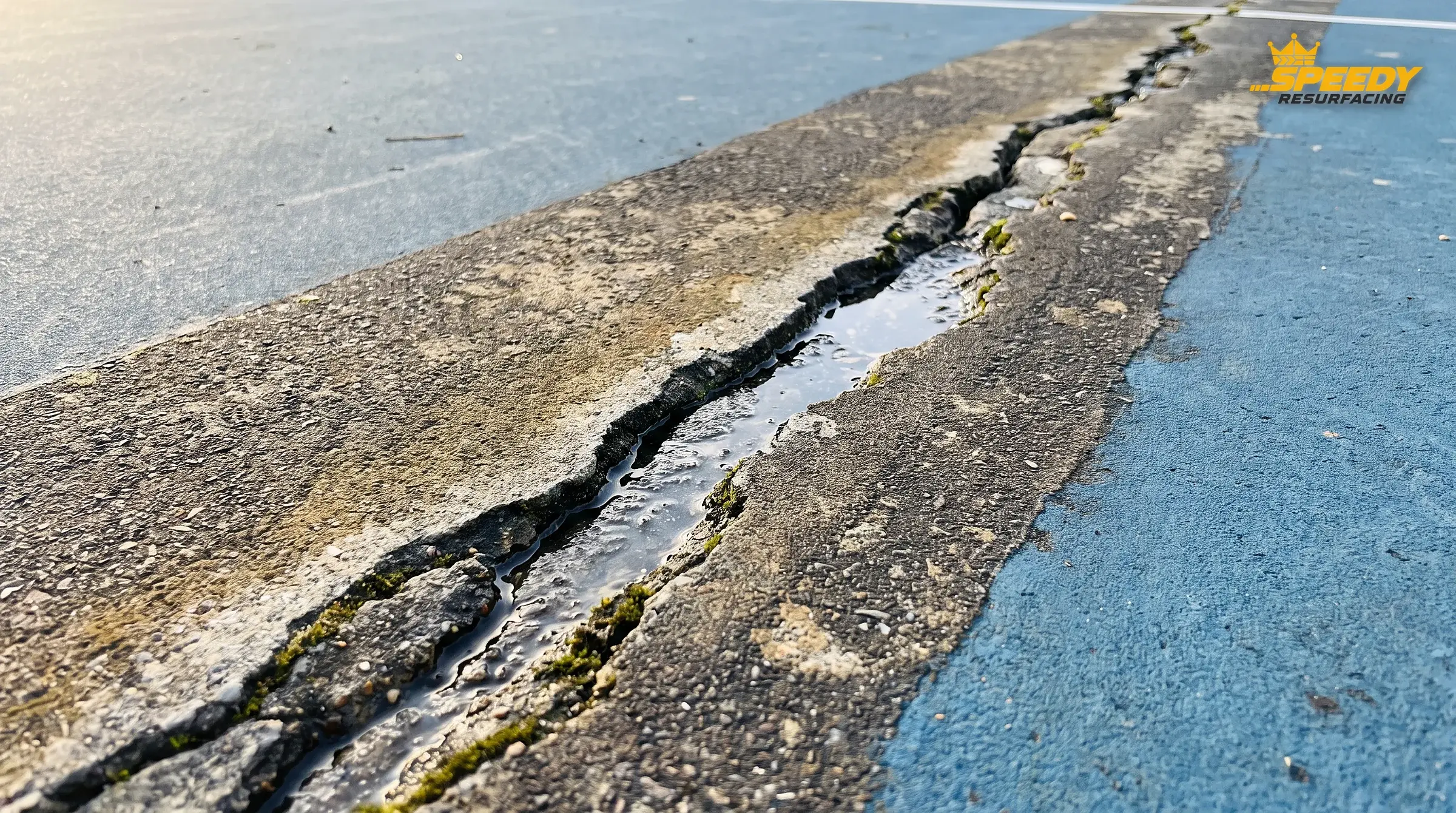
Cracks in sports pavements are classified as non-structural surface shrinkage or active structural movement. Reflective cracking occurs when expansion and contraction in the underlying asphalt or concrete slab transmit stress directly through the upper acrylic wear layers. When cracks re-emerge rapidly following localised patching, the root cause is dynamic sub-base movement rather than simple acrylic wear.
Coating Failure: Delamination, Peeling and Bubbling
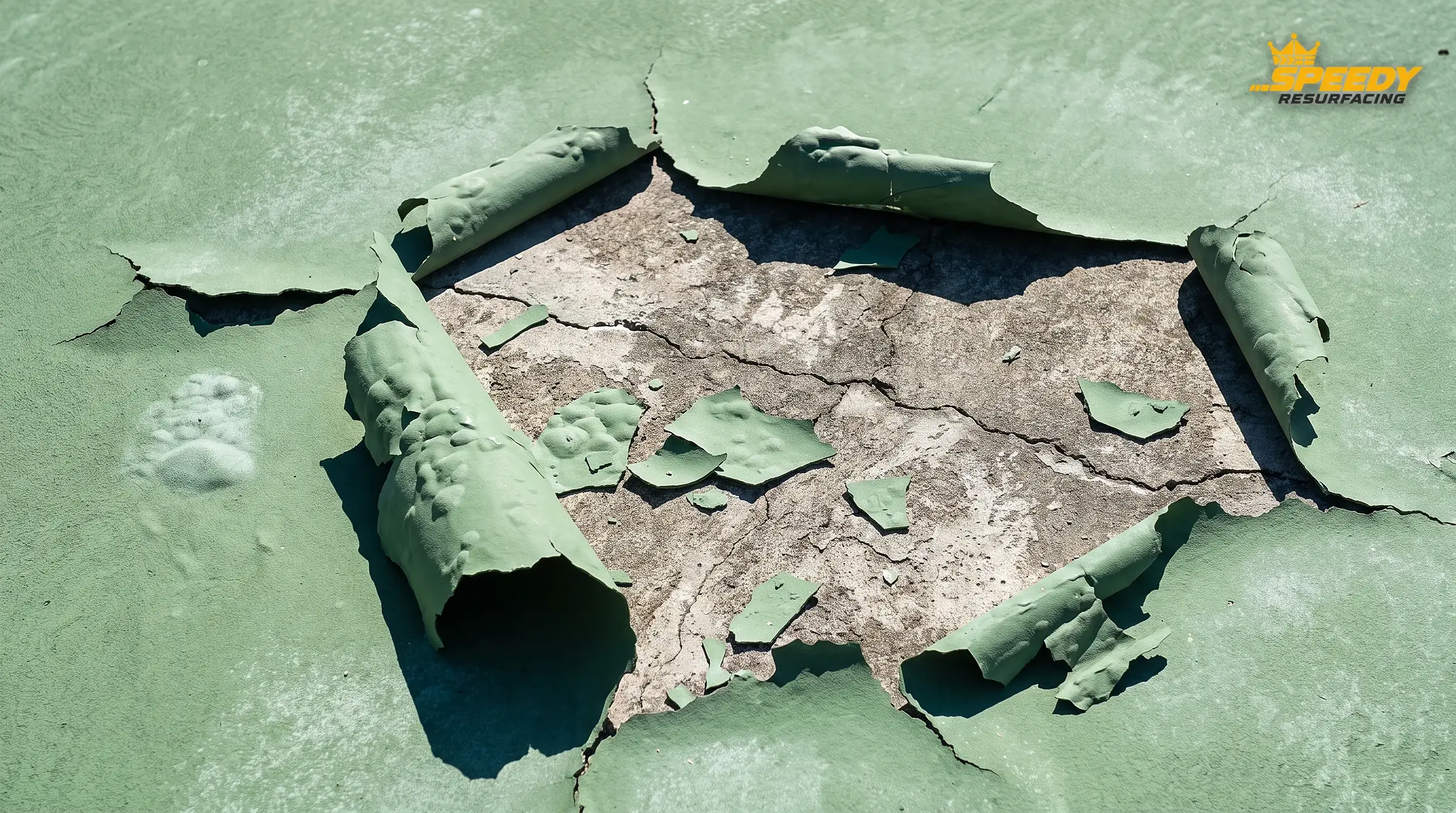
Delamination occurs when the bond strength between the acrylic system and the substrate is compromised. Primary causes include hydrostatic vapour pressure rising through unsealed concrete slabs, inadequate mechanical surface preparation prior to coating, or applying fresh acrylics over chalking, degraded base layers. Once widespread peeling initiates, localised spot repairs fail to prevent progressive edge lifting in surrounding areas.
Surface Unevenness and Standing Water ("Birdbaths")
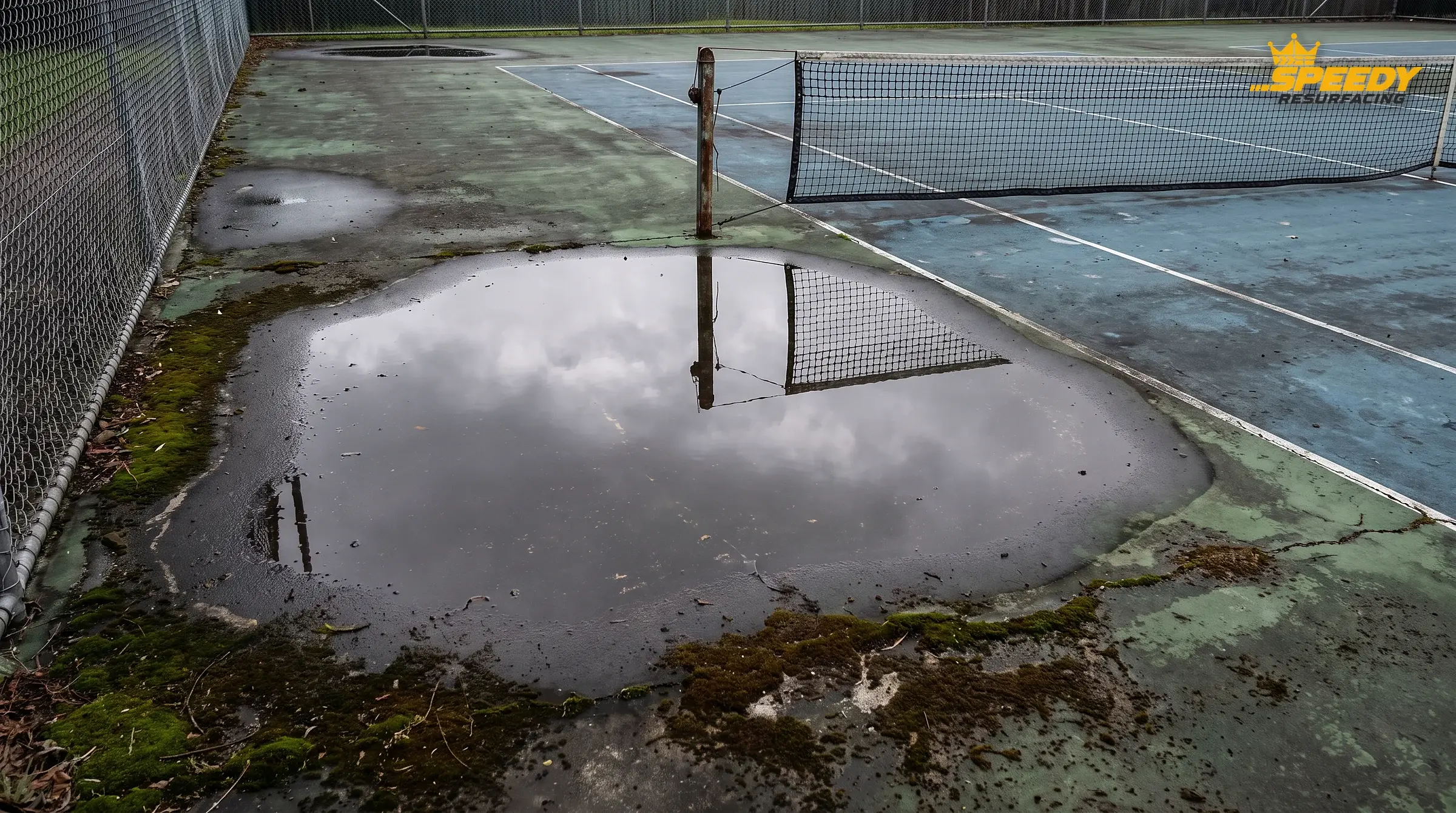
Uncontrolled surface water rapidly accelerates pavement breakdown. Depressions that retain water for longer than 60 minutes post-rainfall under standard ambient conditions are defined as "birdbaths". Persistent pooling breaks down acrylic resin matrices, encourages biological growth (algae and moss), creates slip hazards and softens underlying asphalt binders. While minor depressions (under 3 mm) can be levelled using specialised acrylic patch binders during full resurfacing, deep depressions signal foundational settlement requiring structural remediation.
Loss of Traction and Aggregate Exposure
With prolonged exposure to UV radiation and heavy foot traffic, embedded sub-angular silica sand gradually strips from the acrylic matrix. This loss reduces the dynamic coefficient of friction, resulting in slippery, unsafe playing conditions. Exposure of the underlying black asphalt aggregate or raw grey concrete slab indicates complete burnout of the protective surface matrix.
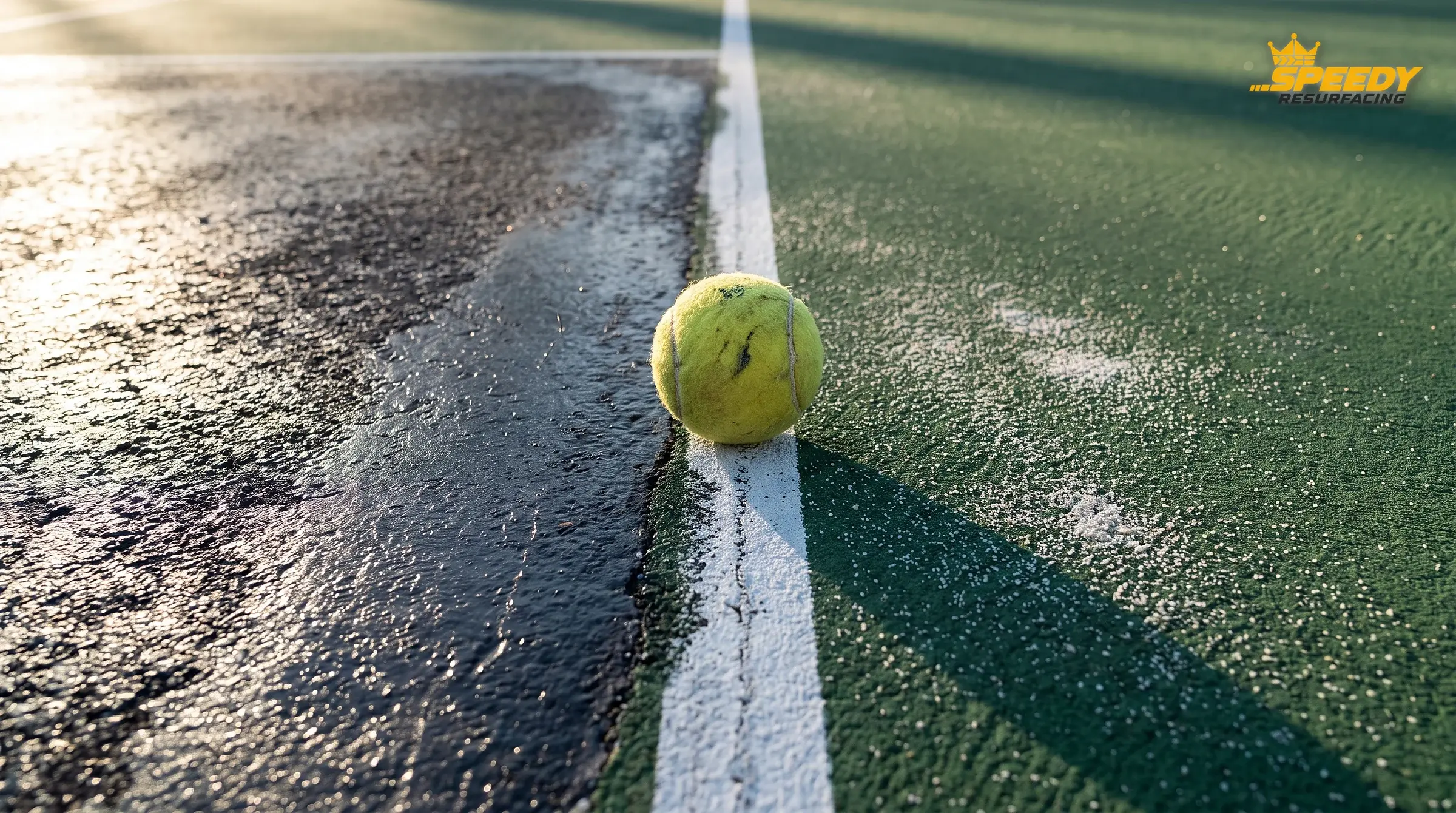
Acrylic is a wear layer, not a foundation. It protects a sound slab brilliantly — and it cannot hold a moving one together.
Speedy Resurfacing
Cracks, Patches and Topcoats: The Three Questions We Are Asked Most
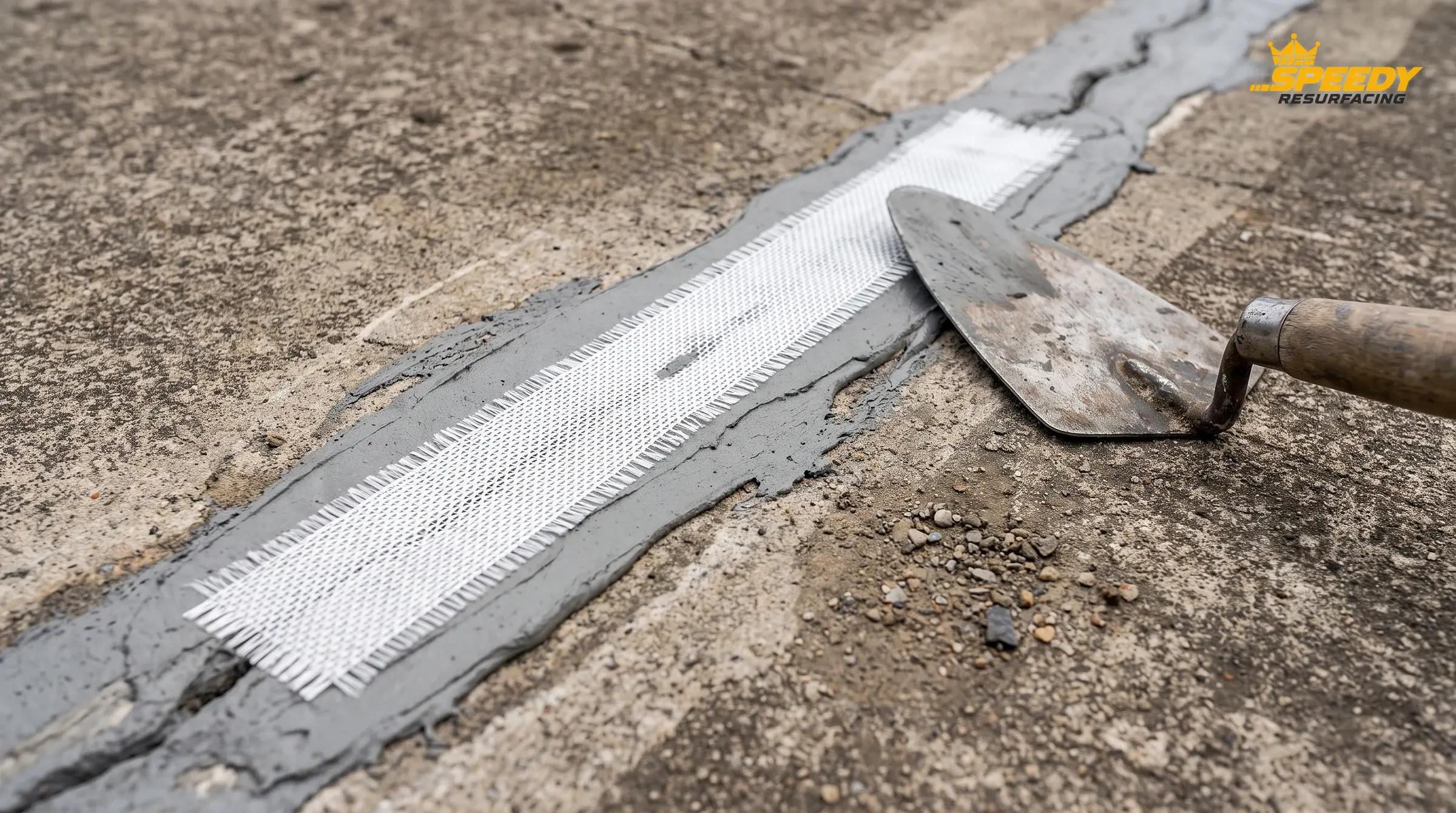
- Will cracks return after resurfacing?: No topical acrylic system can permanently arrest active sub-base movement. However, professional resurfacing significantly delays crack reflection. High-tensile fibreglass membrane fabrics combined with elastomeric crack fillers bridge non-structural cracks, allowing micro-expansion and contraction without immediate tearing of the colour finish coat. Severe subgrade movement will, over extended cycles, eventually reflect through topcoats.
- Can only the damaged areas be repaired?: While isolated patching is technically feasible, patching localised sections on older courts creates substantial performance and aesthetic discrepancies. Weathered acrylic coatings cannot be visually matched by fresh colour formulations. Furthermore, cold joints between legacy coatings and new patch materials form structural weak points susceptible to water ingress, edge spalling and mechanical shearing under foot traffic.
- When is another topcoat unsuitable?: Applying a supplementary acrylic topcoat directly over a failing, delaminating or chalking paint layer is ineffective. The secondary coating relies entirely on the adhesion of the underlying layer; if the base layer lacks bond strength, both coatings will fail prematurely. Accumulating excessive dry film thickness without mechanical profiling also induces internal stress, causing brittle cracking. Mechanically scarifying or diamond grinding back to a clean, stable substrate is mandatory prior to re-coating.
Multi-Sport Conversions: Adding Pickleball to Existing Courts
To meet growing demand for pickleball throughout Greater Sydney, commercial and municipal operators are increasingly reconfiguring single-use tennis spaces into high-density, multi-sport facilities. Converting existing courts for pickleball or multi-sport integration involves technical design considerations beyond line application:
- Structural base assessment: Evaluating slab integrity to ensure compatibility with concentrated lateral movement patterns and sleeve installations for net posts.
- Chromatic zone planning: Utilising high-contrast acrylic colour schemes to delineate primary playing zones from kitchen areas and perimeter run-off spaces.
- Line hierarchy & luminance contrast: Applying primary sports lines in high-luminance tones (typically white) while secondary pickleball boundaries use lower-contrast shades to minimise visual distraction.
- Dimensional precision: Verifying official court dimensions and safety run-off buffer zones in accordance with Australian sports facility guidelines.
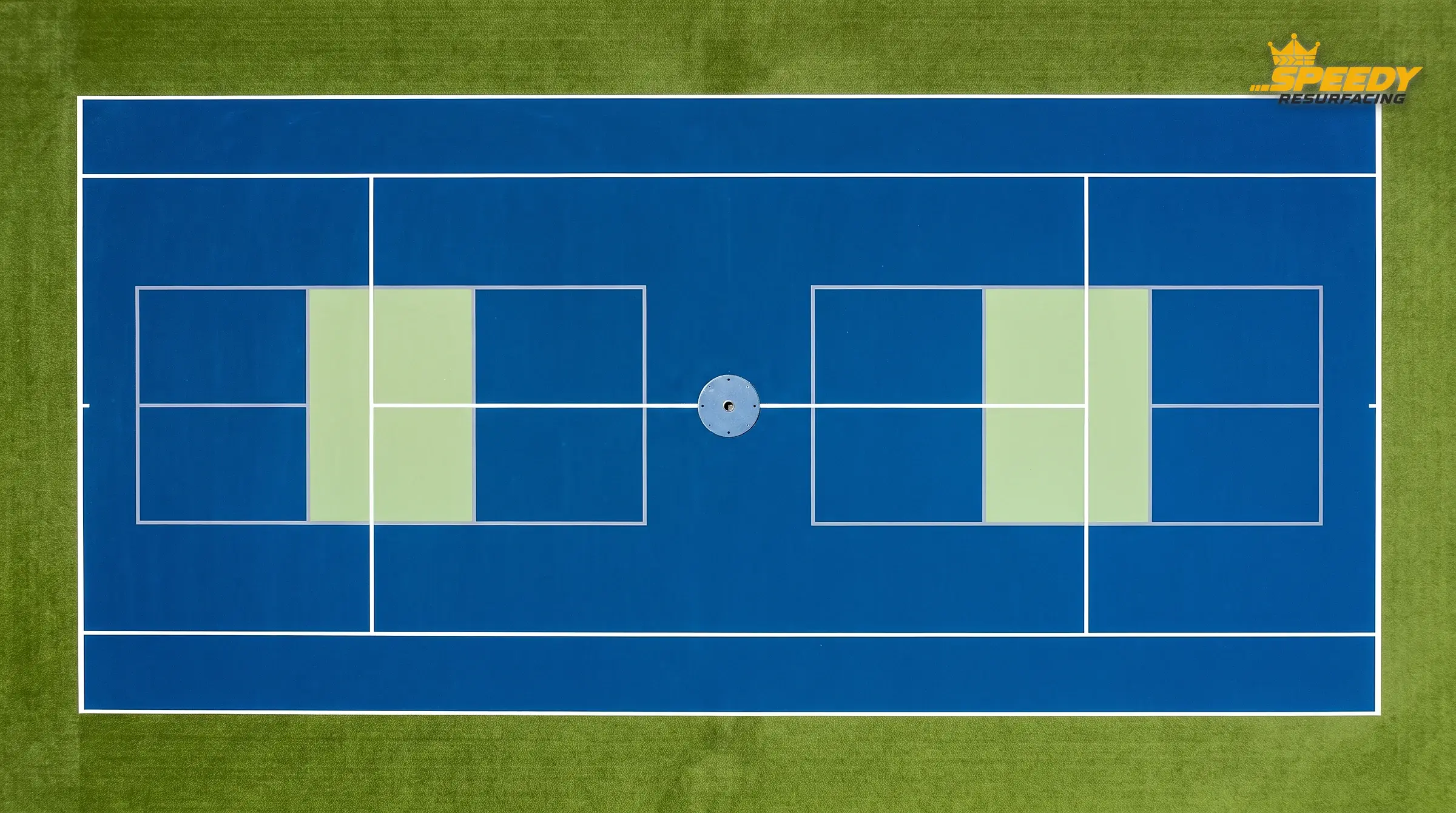
Leveraging specialised surface applicators from Speedy Resurfacing alongside precision marking standards from Speedy Line Marking, facility owners achieve optimal court versatility without compromising regulatory compliance.
Requesting a Court Assessment in Sydney: What We Need
Speedy Resurfacing provides formal technical site assessments and surface audits across Greater Sydney, Western Sydney, Parramatta, Blacktown, Penrith and the Sutherland Shire. To facilitate a precise technical evaluation and scope of works, please provide the following site specifics:
- 01
Facility location & suburb
Identifies local environmental factors, subgrade clay profiles and access logistics.
- 02
Existing substrate material
Asphalt, post-tensioned concrete, mass concrete, or the existing acrylic composition.
- 03
Surface condition documentation
High-resolution imagery detailing active cracking, coating delamination, low spots or aggregate burnout — or upload it to the free Court Scan.
- 04
Intended usage & layout requirements
Single-use regulatory configurations or multi-sport adaptations including tennis, netball, basketball or pickleball.
- 05
Site logistics & access clearance
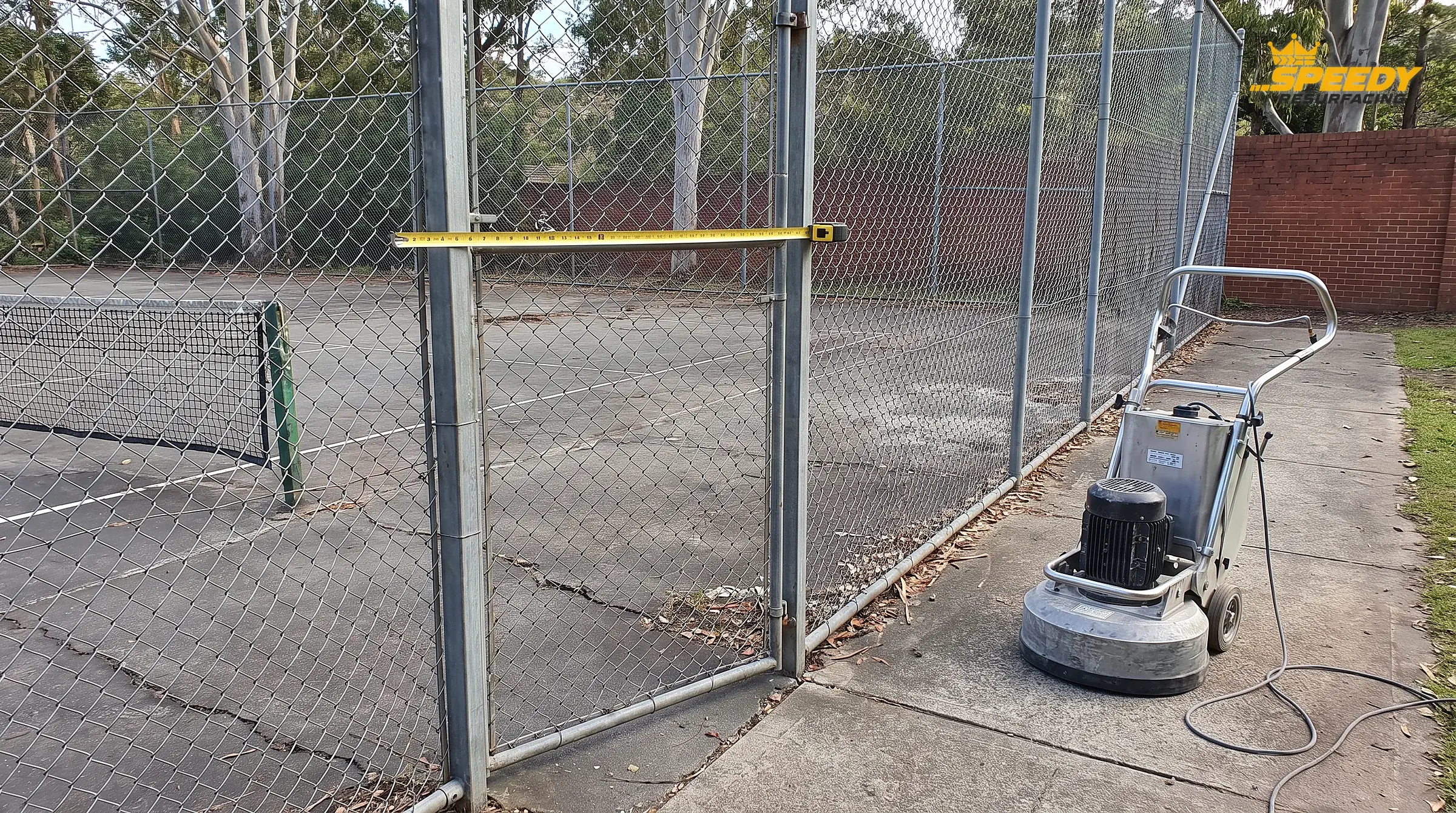
Entry width and overhead clearance for mechanical grinding and resurfacing equipment.
Contact Speedy Resurfacing
Ensure long-term playability, structural integrity and regulatory compliance for your sports facility with heavy-duty acrylic surfacing systems engineered specifically for Australian environmental conditions. Leave your name, mobile and email below, call 0466 495 495 or email info@speedyresurfacing.com.au. Speedy Resurfacing is the specialist court division of Speedy Line Marking.
Frequently Asked Questions
Know a school, club or court owner who needs this?
Send them the article in one tap, and follow Speedy Resurfacing on Instagram @speedyresurfacing and Facebook for before-and-after court transformations across Sydney.